
Volver

Environmental

  • Bicycles and the Physics of Pollutants: Where Do We Breathe Best?

    Bicycles and the Physics of Pollutants: Where Do We Breathe Best?

    There is a widespread belief among urban residents that bicycles leads to greater exposure to toxic substances compared to traveling in a motor vehicle. However, studies on fluid dynamics and personal exposure monitoring show the opposite. The concept of “proximity exposure” reveals that a car’s interior acts as a chamber that concentrates exhaust gases from preceding vehicles, while cyclists benefit from greater atmospheric dispersion.

    For any professional concerned about their respiratory health, understanding how pollutants behave on the street is essential. When cycling, a person moves through a much more ventilated airflow, far from critical points of gas accumulation. While car ventilation systems directly draw air from the exhaust pipe of the car in front, cyclists find themselves in an open environment where particle dilution is constant thanks to movement and wind.

    Fluid dynamics and the tunnel effect in vehicles

    Physics explains that, inside a car, nitrogen dioxide and particulate matter accumulate because the cabin traps these substances and concentrates them in a confined space with little actual air exchange. This phenomenon, combined with the fact that vehicle air intakes are located at the same height as the exhaust pipes, makes the car’s interior a high-risk exposure environment. When cycling, we avoid this chemical confinement effect by positioning ourselves in an area of the road where the density of pollutants is significantly lower.

    Several studies conducted in major European cities have tracked individual exposure and concluded that drivers can end up breathing in up to twice as much pollution as cyclists. This is because bike lane infrastructure typically keeps cyclists away from the center of the roadway, where particle concentrations are highest. People who choose active transportation are therefore managing environmental risk in a much smarter way, backed by scientific evidence.

    The filtering capacity of the upper airways

    One fascinating aspect of human physiology is how the moderate physical exertion required by cycling optimizes our natural defense system. When cycling, we increase our minute ventilation, but we also more efficiently activate mucociliary clearance in the airways. This self-cleaning system of the lungs works best when airflow is constant and the body is in motion, allowing large particles to be trapped and expelled more effectively than in a state of complete inactivity inside a car.

    In addition, a cyclist’s breathing pattern promotes greater filtration through the nasal passages, where the air is warmed, humidified, and cleansed of impurities before reaching the alveoli. Drivers, however, tend to breathe more shallowly and less efficiently in terms of filtering fine particles, as they are in a passive and often stressful posture. Low-intensity physical activity is, in essence, training for our lungs to better manage the environmental challenges of the urban setting.

    Microsensors and the Reality of Air Quality at Street Level

    Microsensor technology has made it possible to map exposure to pollutants in real time. The data indicate that, although cyclists are exposed to outdoor air, the amount of time they spend in “red zones” of traffic is much shorter due to their agility and ability to avoid traffic jams. Less exposure time means a lower cumulative dose of toxins. By cycling, the average commute reduces real-time exposure, which decreases the long-term cumulative impact on the cardiovascular and pulmonary systems.

    On the other hand, pollutants such as benzene and carbon monoxide tend to accumulate near the ground and in enclosed spaces. When riding a bicycle, the cyclist’s head is typically above the area of highest concentration of these heavier gases. This vertical difference of just one meter can result in up to a 30% reduction in the inhalation of certain volatile hydrocarbons—a technical fact that underscores the safety of active mobility compared to conventional motorized transportation.

    The benefits for the immune and cardiovascular systems

    If we weigh the risks of breathing urban air against the benefits of physical activity, the scientific consensus is clear: the net health benefits of cycling far outweigh the potential risks of pollution. Improved arterial elasticity, reduced systemic inflammation, and a strengthened immune system offset exposure to particulate matter. For workers, this translates to greater resistance to common illnesses and improved daily physical recovery.

    It is important to note that cycling not only protects the rider but also improves the environmental health of the entire ecosystem. Fewer vehicles burning fuel directly reduces the formation of tropospheric ozone and ultrafine particles in the local air. We are witnessing a virtuous cycle of health: those who cycle improve their own cardiorespiratory fitness and, at the same time, reduce the pollution load in their city, benefiting every citizen who shares that public space.

    Cycling as a scientifically sound health choice

    In short, choosing a bicycle as a means of daily transportation is a decision backed by physics and preventive medicine. Debunking the myth that cyclists breathe worse air than drivers is the first step toward a real transformation of our habits. Close-up exposure shows us that the danger isn’t outside the car, but often inside it, where air becomes stagnant and toxins accumulate without us even realizing it.

    We encourage you to put your trust in the science of active mobility. Cycling is probably the most powerful tool we have at our disposal to improve our respiratory health and protect the environment at the same time. When you pedal, you’re not just getting from point A to point B; you’re filtering the air, boosting your metabolism, and contributing to a cleaner, healthier urban future for everyone. Physics is on your side: hop on your bike and breathe the difference.

  • Seasonal Crisis: The Science Behind the Disruption of Biological Cycles

    Seasonal Crisis: The Science Behind the Disruption of Biological Cycles

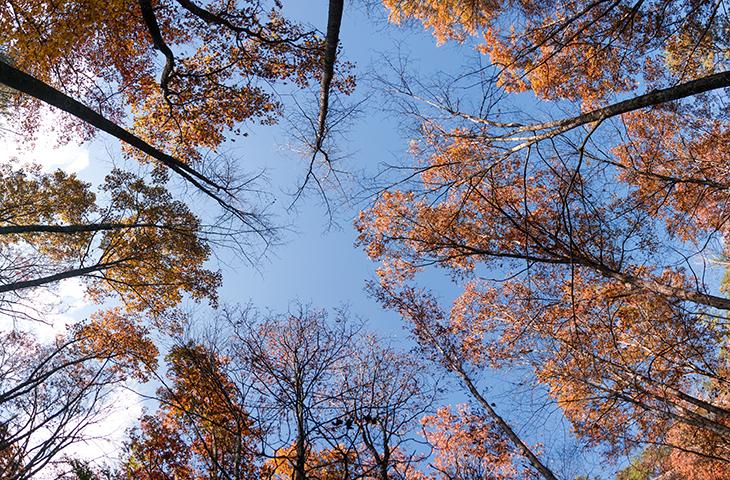
    Nature functions like a perfectly synchronized orchestra, where each species plays its part at just the right moment. However, in recent decades, the scientific community has detected a growing anomaly: the seasonal crisis. This phenomenon is not merely a subjective perception that “spring no longer exists” or that autumn is delayed; it is a physical disruption of the Earth’s rhythms that directly affects biodiversity and, by extension, the health of every person inhabiting this planet.

    Phenology teaches us that plants and animals rely on thermal and light signals to bloom, migrate, or reproduce. When these signals become erratic due to global warming, the result is what science calls “phenological mismatch.” This seasonal crisis disrupts entire food chains: for example, birds may arrive from their migration before the insects they feed on have hatched, creating an imbalance that jeopardizes the resilience of the ecosystems that provide us with clean air and water.

    The disruption of circadian rhythms in humans

    We are no strangers to this imbalance. The human body has internal biological clocks that synchronize with the seasons through sunlight and temperature. The seasonal crisis disrupts the production of melatonin and cortisol, the hormones responsible for regulating sleep and stress. Workers, living in environments increasingly disconnected from natural changes, experience chronic fatigue that science links to the loss of biological seasonality.

    This desynchronization particularly affects the metabolic system. From an evolutionary perspective, our bodies are designed to process different types of nutrients depending on the time of year. The seasonal crisis, combined with the constant availability of any food at the supermarket, confuses our cells, which can lead to an increase in inflammatory conditions. Regaining awareness of what is happening outside our offices is a fundamental preventive health measure.

    The Impact of Abnormal Temperatures on Respiratory Health

    One of the most direct effects of this seasonal crisis is the prolongation of pollination periods. Plants, confused by unusually warm winters, bloom earlier and continue to flower for longer, which exacerbates respiratory allergies among organizational staff. This increase in allergen levels not only reduces quality of life but also overwhelms healthcare systems and diminishes concentration and performance.

    Furthermore, the lack of a clear distinction between seasons affects air quality. Wind and rain patterns, which traditionally “cleaned” the atmosphere during specific periods, have become unpredictable. In the face of the seasonal crisis, airborne particles from industrial areas remain stagnant for longer periods, increasing the risk of cardiovascular and pulmonary conditions for anyone living in urban or industrial environments.

    The Importance of Biodiversity in the Face of Climate Instability

    Science warns that a diverse forest is far more resilient to seasonal crises than a monoculture. Species interact with one another, creating a safety net; if one fails, another can take over its role. As a society, we must understand that our environmental health depends on this complexity. Protecting local flora and fauna is, in reality, an investment in our own physical and emotional stability in the face of a climate that is losing its traditional boundaries.

    By observing the passing of the seasons, the scientific observer detects a sign that the system is running on empty. The seasonal crisis serves as a reminder that the Earth needs its periods of dormancy and recovery, just as our own bodies do. Winter is not a wasted time; it is a period of energy accumulation necessary for the vital burst of spring. Without these cycles, life becomes linear and fragile.

    Adaptation strategies and biological reconnection

    How can we mitigate the effects of this seasonal crisis on an individual level? The answer lies in observation and adaptation. Company employees can improve their well-being by aligning their habits with actual sunlight, prioritizing the consumption of seasonal products, and spending time in nature on a regular basis. Recognizing small changes in the environment—such as the color of the leaves or the types of birds present—helps recalibrate our internal clock.

    On a collective level, the fight against the seasonal crisis involves restoring urban green spaces. These “oases” act as thermal regulators that mimic natural cycles, reducing the heat island effect and providing a refuge for local wildlife. A city that respects the seasons is a healthier city for every citizen, as it reduces the environmental stress we are subjected to.

    The Future of Environmental Health in a World Without Seasons

    In conclusion, the disappearance of seasonal boundaries is a major scientific challenge that affects the very fabric of life. The seasonal crisis forces us to rethink our relationship with time and the environment. We cannot afford to remain indifferent to the disruption of the planet’s rhythms, because those very rhythms dictate our cellular health and mental stability.

  • CLIMATE CHANGE: HOW TO UNDERSTAND THE DATA AND RAISE AWARENESS WITHOUT CONFUSION

    CLIMATE CHANGE: HOW TO UNDERSTAND THE DATA AND RAISE AWARENESS WITHOUT CONFUSION

    Talking about climate change can cause fatigue, confusion, or even rejection. In recent years, information has been mixed with opinions, political discourse, and contradictory messages, leaving many people unsure of what to believe. However, climate change is not a matter of belief: it is a phenomenon measured, studied, and confirmed for decades by scientific evidence.

    CLIMATE CHANGE IS NOT AN OPINION; IT IS A MEASURABLE FACT

    Earth’s climate has always changed, but what is happening today is different for one main reason: the speed. Natural climate changes occurred over thousands of years. Today, in just one century, the planet has experienced a significant increase in average global temperature.

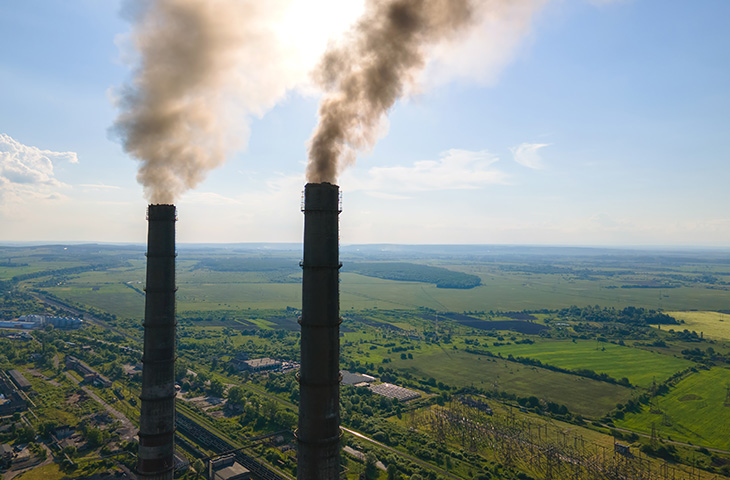
    This is not based on intuition. It is measured with thermometers, weather stations, satellites, and ocean records. Scientific evidence confirms that global warming is real and that human activity plays a central role, especially through the use of fossil fuels such as coal, oil, and gas.

    When carbon dioxide (CO₂) and other greenhouse gases are emitted, they accumulate in the atmosphere and trap heat. It works on the same principle as a greenhouse: solar energy enters, but some of the heat is trapped.

    DATA THAT SUPPORTS THIS REALITY

    • Sustained increase in global temperature.
    • Reduction of glaciers and loss of ice at the poles.
    • Rising sea levels.
    • Increase in ocean temperatures.
    • Changes in rainfall and drought patterns.
    • Increase in extreme events in frequency or intensity.

    All of this is not a coincidence. Scientific evidence includes thousands of peer-reviewed studies analyzing these phenomena from various disciplines: physics, chemistry, biology, geology, and climatology. Additionally, there is a consensus among the majority of the global scientific community: climate change is happening, and its origin is primarily human.

    WHY CONFUSION EXISTS AND WHAT FEEDS IT

    One reason many people doubt is that climate change is often presented as a debate, when in reality it is not. In science, a real debate occurs when there are contradictory data. But here, the main body of data is consistent.

    Confusion also increases because concepts are sometimes mixed up. For example, you might hear: “If it’s cold today, then there is no global warming.” But climate is not measured by a single day; it is measured by long-term trends.

    Another important factor is information overload. Social media, alarmist headlines, or incomplete news can distort perception. In this context, scientific evidence becomes more important than ever as a basis for making informed decisions.

    HOW TO IDENTIFY RELIABLE INFORMATION

    Not all sources have the same level of rigor. To better understand the topic without falling into extremes, it is useful to follow some criteria:

    • Look for information from scientific organizations or universities.
    • Be skeptical of overly simplified messages (“this is false” or “it’s too late”).
    • Check if the content cites peer-reviewed studies.
    • Verify if there is consensus across multiple sources.

    Scientific evidence is rarely expressed in absolute terms; it is usually presented in probabilities and trends. This does not indicate weakness, but methodological honesty.

    It is also important to remember that science evolves. If new data are discovered, models are adjusted. This ability to correct itself is precisely what makes science reliable.

    REAL CONSEQUENCES ON HEALTH AND DAILY LIFE

    • Higher risk of heatstroke.
    • Increase in allergies due to longer pollen seasons.
    • Rise in insect-borne diseases in certain areas.
    • Water stress and shortages in vulnerable regions.
    • Impact on crops and food security.

    Scientific evidence also shows that extreme events, such as heat waves or wildfires, have economic and social impacts: loss of homes, displacement, and increased inequality.

    WHAT INDIVIDUALS CAN DO WITHOUT FEELING GUILTY

    • Reduce food waste.
    • Consume more consciously (buy less and better).
    • Prioritize public transport or active mobility when possible.
    • Reduce energy consumption at home.
    • Choose durable and repairable products.

    The important thing is to understand that the goal is not to be perfect, but consistent. Above all, acting based on scientific evidence helps avoid falling into extreme or paralyzing narratives.

    KNOWLEDGE AS THE FIRST STEP TOWARD CHANGE

    Raising awareness of climate change does not mean living in distress; it means understanding that the planet is an interconnected system. Science provides us with tools to understand it and act wisely.

    Scientific evidence is clear: climate change exists, it has identifiable causes, and its impacts are already present. The sooner emissions are reduced and collective habits are changed, the greater the chances of avoiding more severe scenarios.

    Being well-informed is an act of responsibility. It is also a way to protect our future and that of generations to come. Sustainability is not a trend: it is a necessity based on reality. And that reality is, once again, backed by scientific evidence.